BASONOVA Community Highlight
Michelle Gorden: Creating Support for the Unsupported
Licensed Professional Counselor • Educator • Clinical Supervisor • Owner, NoVA Clinical Counseling
For Michelle Gorden, mental health care begins with something simple but powerful: making sure people feel seen, heard, and understood.
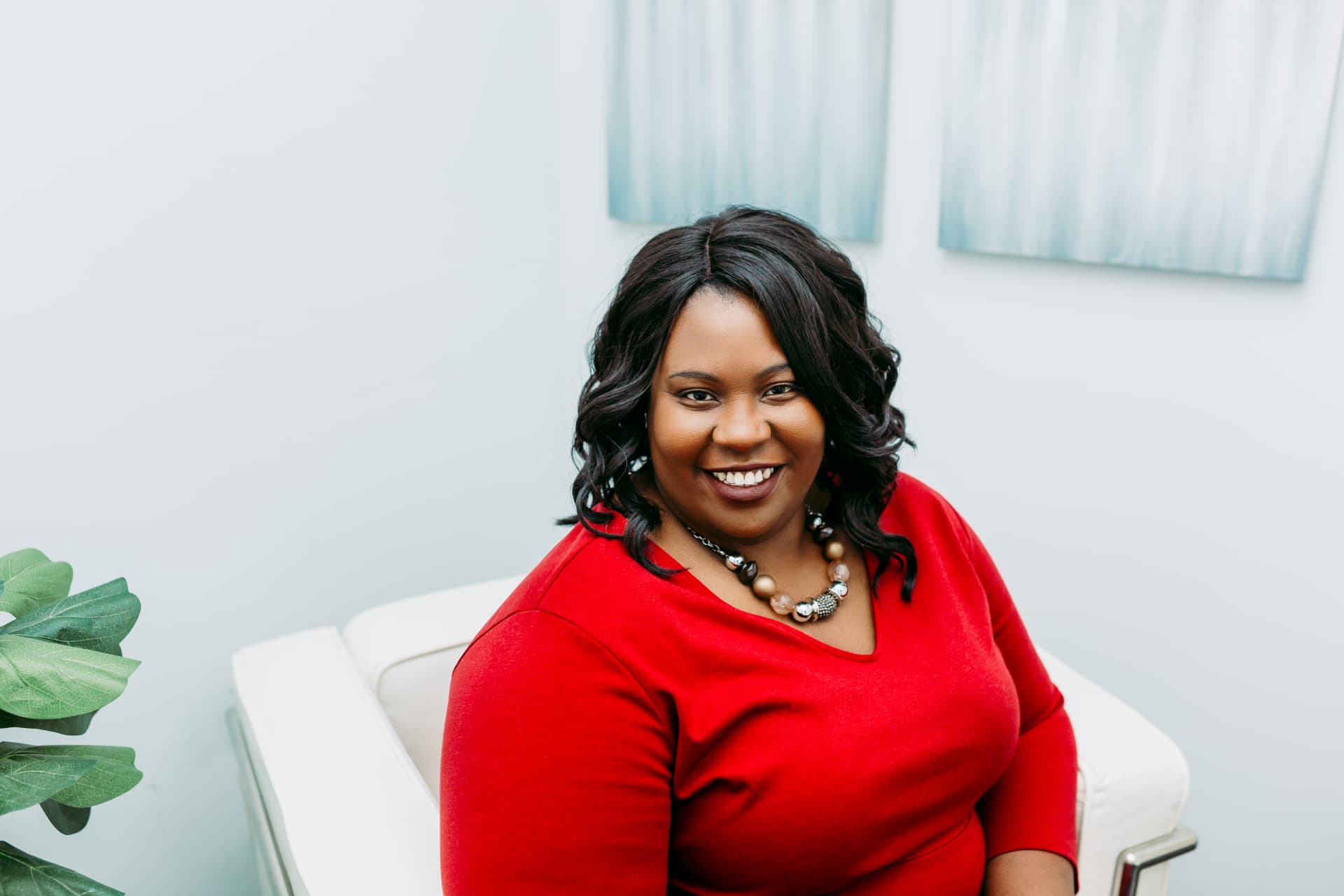
For Michelle Gorden, mental health care begins with something simple but powerful: making sure people feel seen, heard, and understood.
A licensed professional counselor, educator, clinical supervisor, and owner of NoVA Clinical Counseling, Michelle has built a career around helping people navigate difficult moments, recognize their strengths, and find a path forward.
Her work is rooted in a belief that has guided the growth of her practice: support should be available to people who too often feel unsupported.
From Curiosity to Calling
A native New Yorker with family roots in Charleston, South Carolina, Michelle’s interest in mental health began while studying psychology at the City College of New York.
She was fascinated by the mind—how it shapes our relationships, experiences, choices, and ability to succeed.
But an unexpected part of her professional journey helped turn that curiosity into a calling.
Before becoming a counselor, Michelle worked as a massage therapist. She began noticing that clients would often experience emotional releases during their sessions. Conversations about physical discomfort would become conversations about stress, relationships, mental health, and challenges happening in their lives.
It reinforced something Michelle continues to emphasize today: mental and physical health are deeply connected.
“I knew I wanted to do more to help people feel better, both mentally and physically.”
Building a Place for People Who Needed One
Michelle’s career eventually took her through community supervision, crisis response, community mental health, healthcare, teaching, and clinical supervision.
Each experience shaped the counselor she would become.
Her work in community supervision taught her about accountability and the real-world barriers people face. Crisis work taught her how to remain grounded during difficult situations. Teaching and supervising other clinicians reinforced the importance of curiosity, communication, and continuing to learn.
Along the way, Michelle also saw gaps in the mental health system.
She saw people of color struggling to find care that understood their experiences. She saw similar needs among immigrant, LGBTQIA+, and other marginalized communities.
That became part of the motivation behind NoVA Clinical Counseling.
“I wanted to create a practice where people could feel welcomed, respected, and understood.”
The idea of providing “support for the unsupported” became central to the practice.
Mental Health Is Community Health
Today, Michelle's work extends well beyond traditional individual counseling.
NoVA Clinical Counseling supports people navigating anxiety, depression, relationships, major life transitions, military life, substance use concerns, anger management, and other challenges.
Michelle also works with active-duty military members and veterans, provides substance-use assessments connected with Virginia's DUI and VASAP process, serves as a Department of Transportation Substance Abuse Professional, and provides clinical supervision to developing therapists.
Yet beneath those different services is a common philosophy.
People need to feel understood before meaningful change can begin.
Michelle believes progress doesn't always arrive as a dramatic breakthrough. Sometimes progress is setting a boundary. Sometimes it's asking for help earlier than you would have before. Sometimes it's recognizing a pattern, making a different decision, or simply believing that change is possible.
“Compassion and accountability can exist together.”
A Conversation the Black Community Still Needs
Michelle is particularly thoughtful about the barriers that can make conversations about mental health difficult within the Black community.
There is no single Black experience, she emphasizes. But cultural expectations, systemic racism, generational experiences, and messages about always remaining strong can influence whether someone feels comfortable acknowledging that they need help.
Expectations around protecting family privacy or enduring difficult circumstances can make reaching out even harder.
And sometimes the biggest barrier is simply trust.
Will this person understand me?
Will I feel safe talking to them?
Can I trust this system?
Is this counselor the right fit for me?
Those questions matter.
Michelle believes people deserve care that recognizes their cultural identity and experiences without requiring them to leave important parts of themselves at the door.
You Don't Have to Carry Everything
That message extends beyond the therapy room.
Michelle believes families, churches, businesses, and community organizations all have a role to play in making mental wellness part of everyday conversation.
“We need to communicate through both our words and our actions that asking for support is nothing to be ashamed of.”
Sometimes support begins with listening without judgment.
Sometimes it means helping someone find the right resource.
And sometimes it begins with a simple reminder:
You don't have to carry this by yourself.
Building a Stronger Northern Virginia
For Michelle, community means partnership, belonging, responsibility, and having a village.
Her vision for NoVA Clinical Counseling continues to grow. She hopes to expand access through community partnerships, interns and pre-licensed therapists working under appropriate supervision, group classes, counseling services, and stronger connections between people and community resources.
She also wants to continue helping people understand that mental health isn't separate from overall wellness.
It is part of it.
And when Michelle thinks about the legacy she wants to leave, it isn't defined by the size of her practice.
It's defined by the people who moved forward.
“I want my legacy to be that I helped people reach their goals. I helped them identify what mattered to them, recognize what they were capable of, and take steps toward the life they wanted.”
Her message to anyone reading her story is equally simple:
You can feel better. You are not alone. And you don't have to have all the answers before asking for help.
Sometimes the first step is simply telling someone you need support.
Find the Right Support
Michelle’s work extends across several specialized resources designed to help people find support for their particular circumstances.
- NoVA Clinical Counseling (opens in a new tab)
Michelle’s primary practice for counseling and mental health services.
- NCC Vets (opens in a new tab)
Specialized mental health support for active-duty military members, veterans, and their families.
- Anger Management VA (opens in a new tab)
Anger management education and training for individuals seeking or required to complete anger management services.
- VASAP Support (opens in a new tab)
Resources and services for individuals navigating Virginia’s VASAP process.
Not sure where to begin? Start with NoVA Clinical Counseling and find the support that fits your needs.
Know Someone We Should Highlight?
Tell us about a person or organization doing something worth celebrating.